
26. Britain’s Slums, 1960s

Two decades after World War II ended, poverty hadn’t gotten the memo. This image captures children playing amid peeling walls, dirty roads and broken infrastructure — a stark reminder that economic hardship didn’t spare even developed nations.
25. Mother and Children, Elm Grove, Oklahoma, 1936
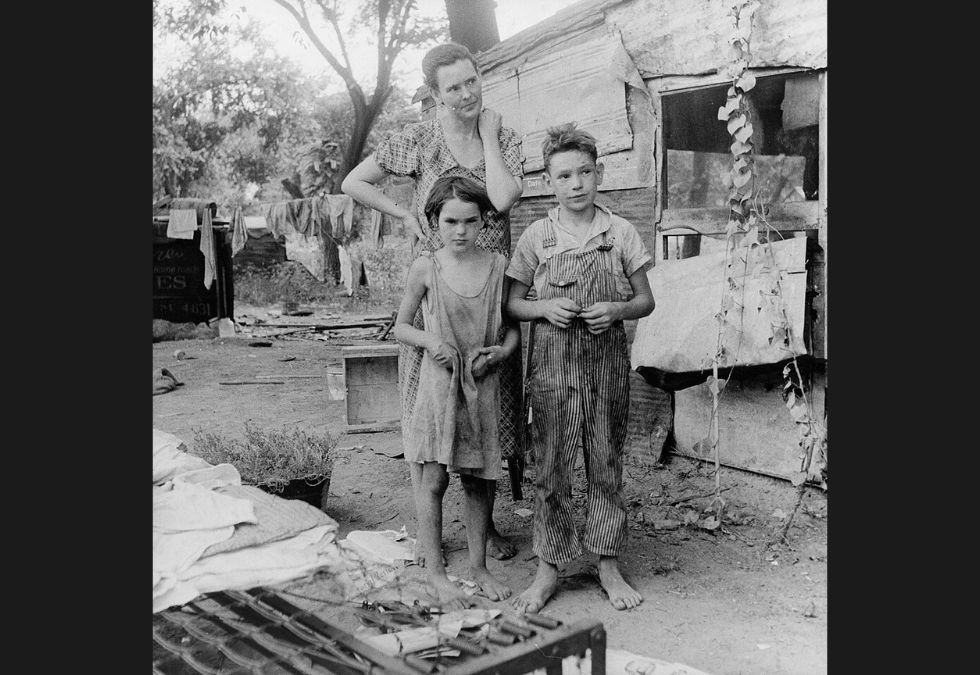
An exhausted mother stands outside a makeshift shack with her young children clinging close, her expression carrying the full weight of the Dust Bowl. Documented by the Farm Security Administration, images like this one put a human face on the mass rural migration that defined Depression-era America.
24. Meager Meal, Great Depression, 1936
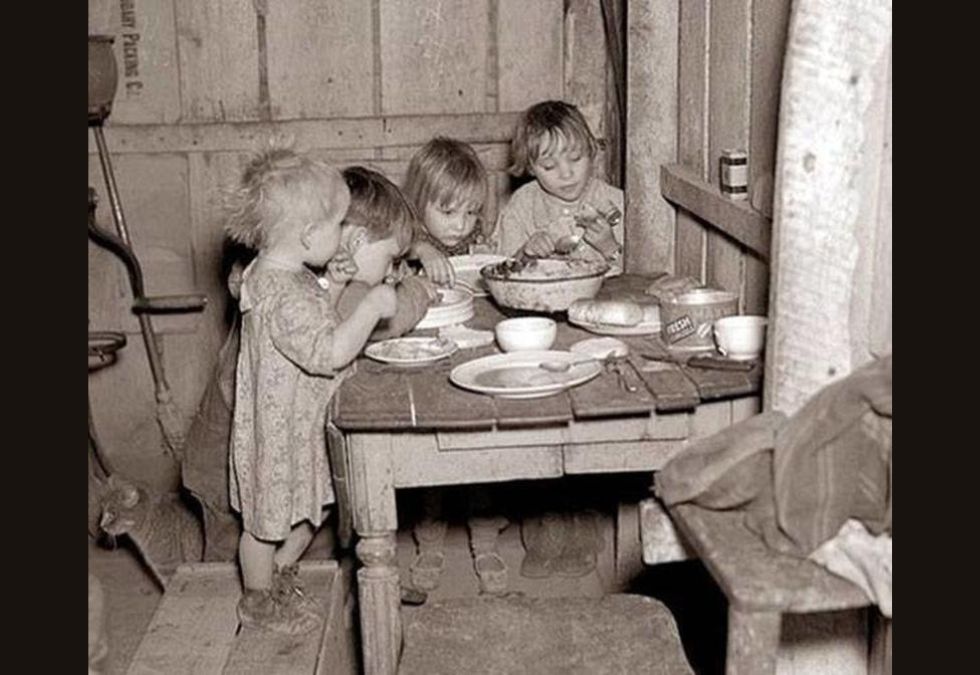
A group of children huddle around a sparse plate of potatoes and cabbage — their entire meal. With U.S. unemployment hitting 25%, scenes like this exposed just how badly relief efforts were failing the most vulnerable, pushing lawmakers to act on food assistance programs.
23. Boy with Sister, Ramblers Park, Washington, 1939

A young boy tends to his baby sister inside a makeshift migrant camp, standing in for a parent who had to keep working to survive. In the spirit of Dorothea Lange’s documentation work, images from these camps built the public case for New Deal family support programs.
Many of history’s most powerful figures didn’t start with wealth or privilege—discover inspiring stories of leaders who came from poor families and rose to the top.
22. Iowa Family Home, 1936

A family land stripped bare by drought and debt. This single frame represents the millions of farm families across the Midwest who lost everything to foreclosure and were forced to start over with nothing.
21. Breadline Men, 1930s
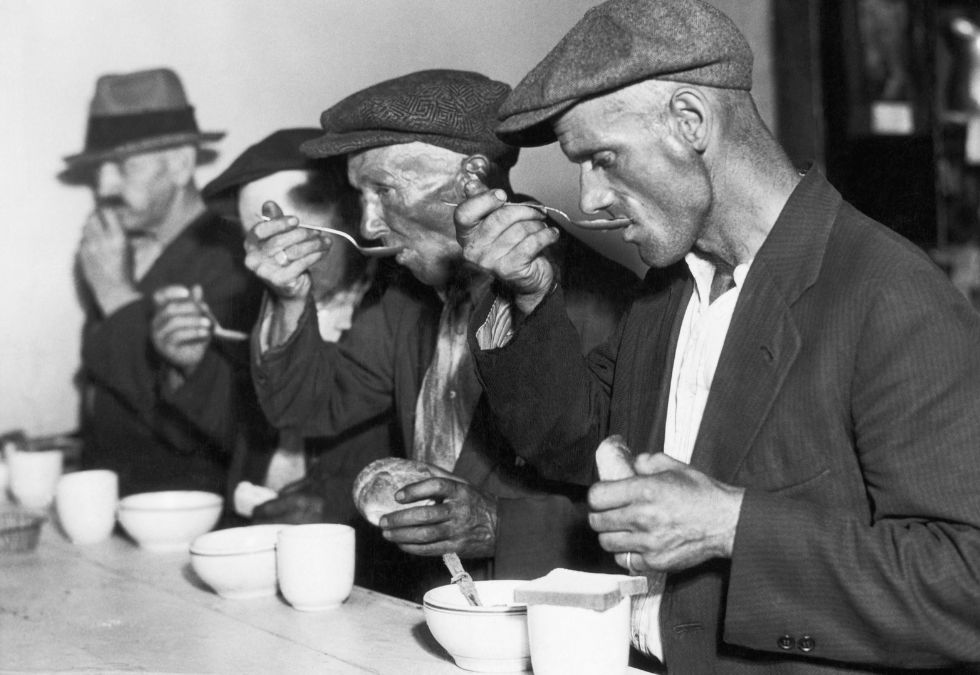
A long line of men seated down, bread in hand and soup in the bowl. These breadlines became one of the defining symbols of the Great Depression and helped build public support for the Social Security Act of 1935.
20. Turf House, Netherlands, 1936
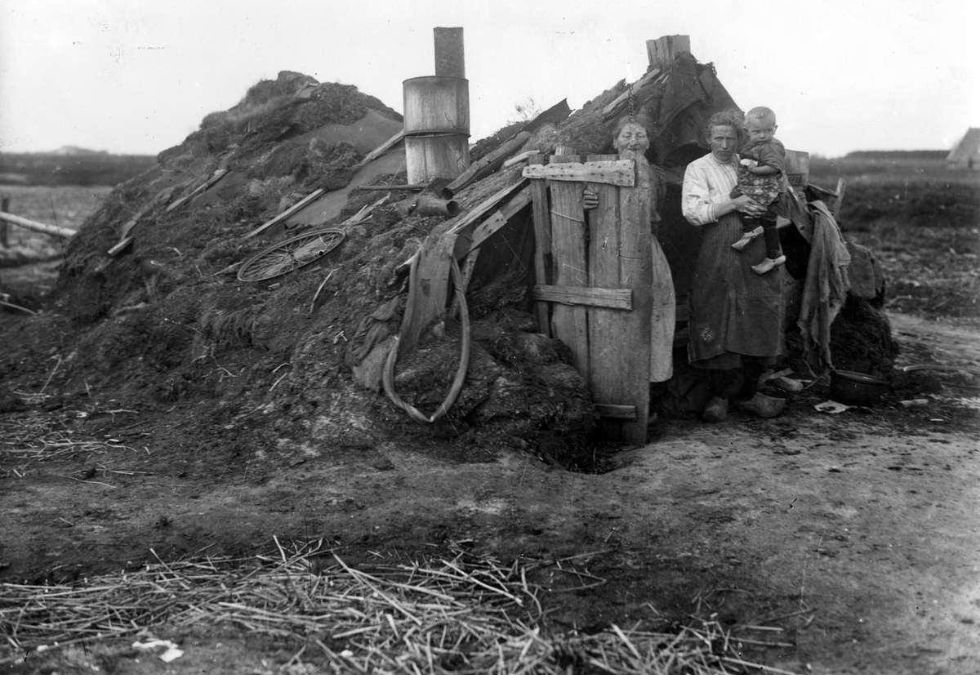
Two women and a small child stand outside a home built from peat — a material used for both structure and insulation when conventional building wasn’t affordable. This quiet image illustrates that the Great Depression’s reach extended far beyond America, cutting deep into rural European life as well.
19. Newspaper Home Girl
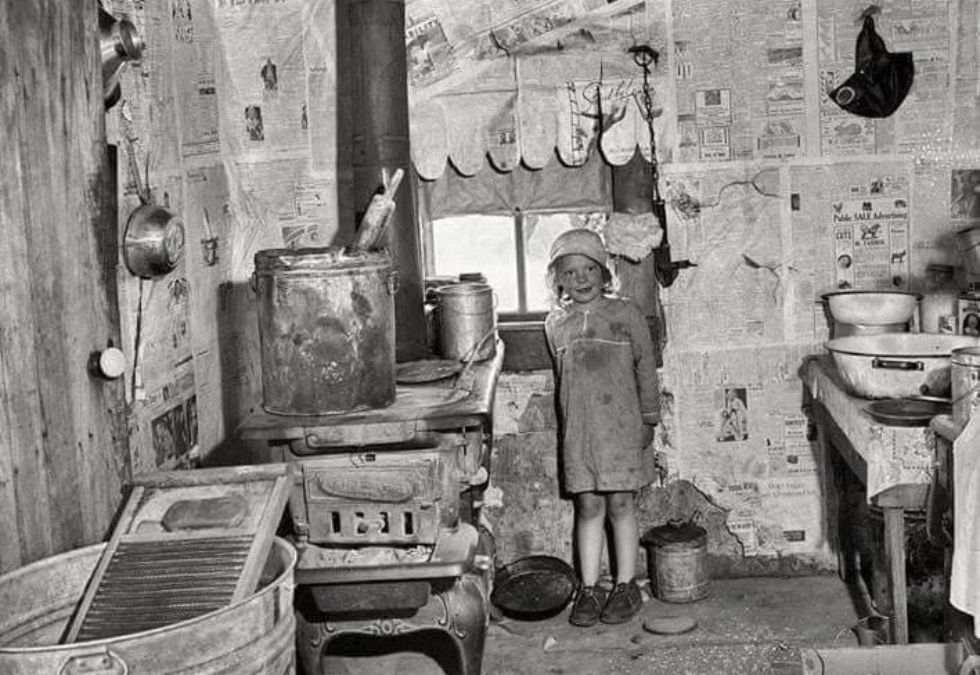
A little girl stands inside a shack where the walls are lined entirely with old newspapers — a makeshift form of insulation common in Depression-era Hoovervilles. Named mockingly after President Hoover, these improvised settlements sprawled across American cities as the housing crisis grew impossible to ignore.
18. Elm Grove Shantytowns, 1936
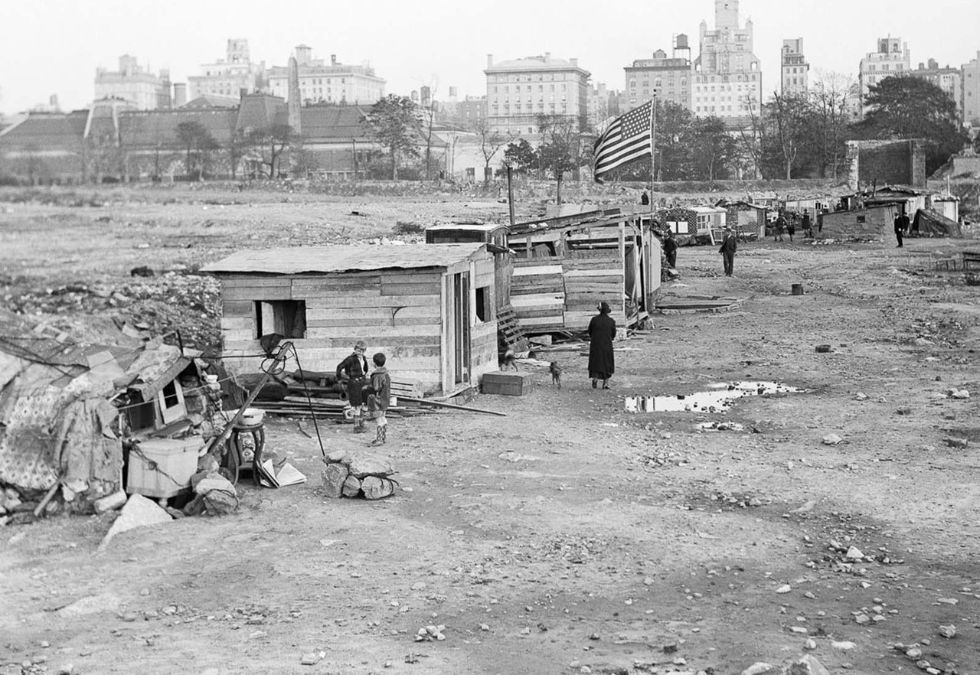
Row upon row of tents and crude huts spread across Oklahoma soil, forming one of many Hooverville communities photographed by the Resettlement Administration. These images were instrumental in pressuring the federal government to expand emergency housing and relief programs.
17. Southern Literacy Lesson, 1939
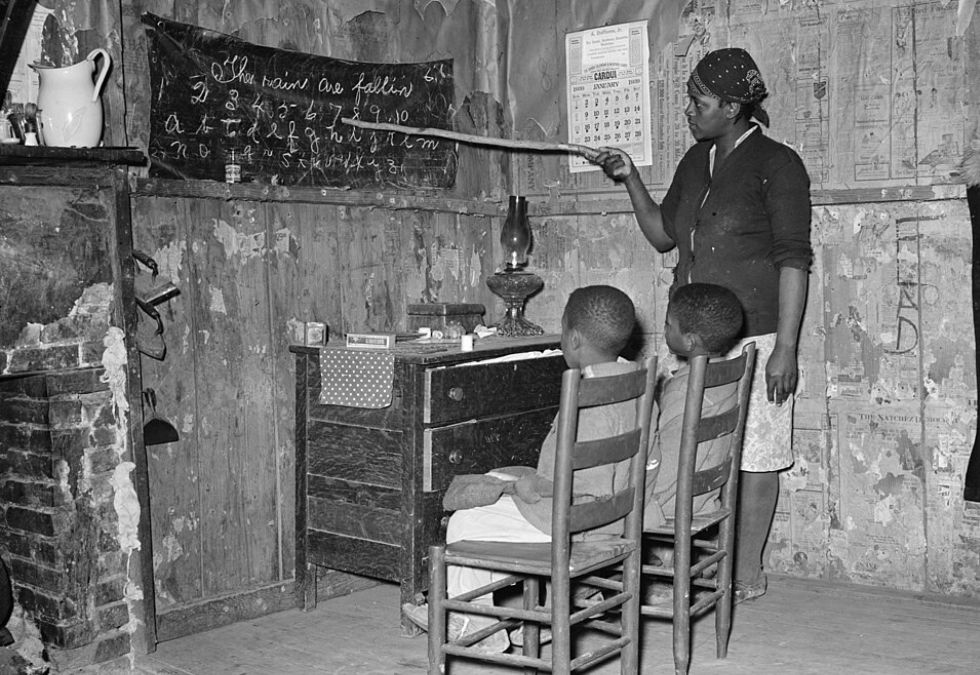
A woman with two young boys in a sparse rural home, teaching them to numbers from whatever materials she could find. This photo speaks directly to the South’s literacy crisis during the Depression and reflects the grassroots spirit that WPA adult education programs later tried to formalize.
16. Jewish Cobbler, New York, 1887

A cobbler works in a cramped, dimly lit tenement, his trade keeping him busy but barely keeping him afloat. Taken in the style of Jacob Riis’s groundbreaking exposés, images like this one created public pressure that eventually led to New York’s Tenement House Act of 1901.
15. Appalachia Valley, 1964
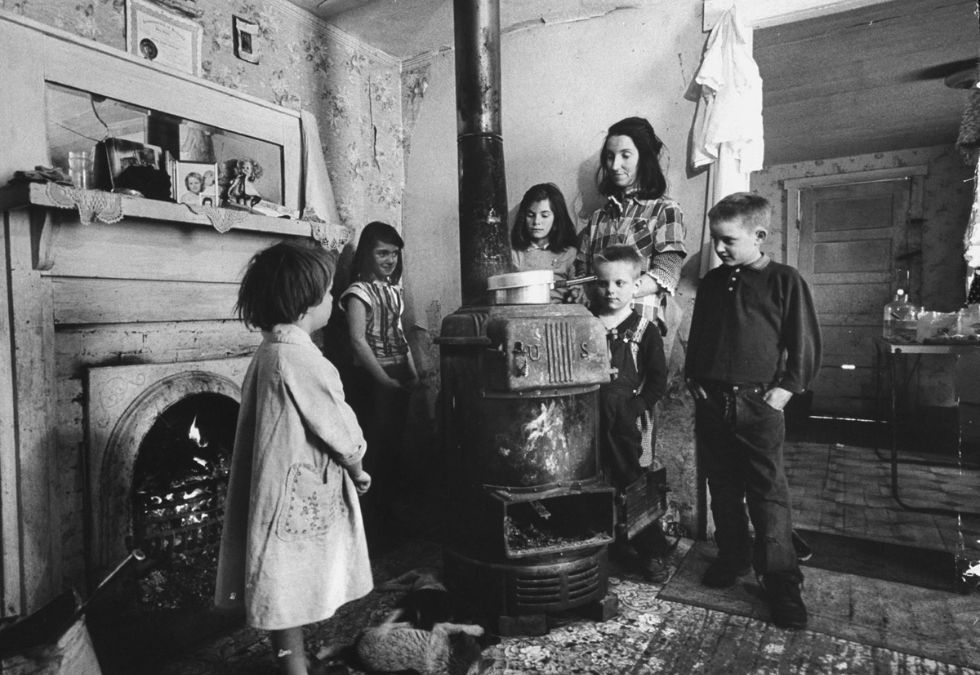
Dilapidated homes nestled into Kentucky’s mountain hollows tell the story of a region that prosperity simply bypassed. John Dominis captured these scenes for LIFE magazine, and the public response helped LBJ build the political will to launch his “War on Poverty.”
Explore the inspiring journeys of business persons who built their empire and broke their poor hereditary cycle through determination and bold vision.
14. Rural Greece Family, 1930s
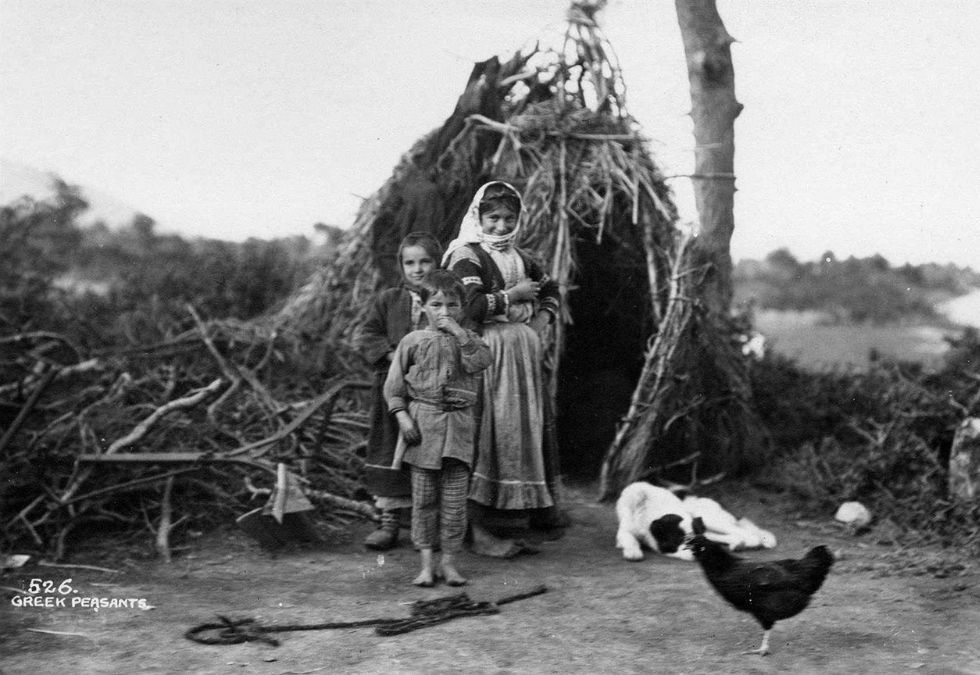
A Greek family gathers in their crumbled home, their faces carrying the quiet strain of agrarian hardship. Often overlooked in Depression-era narratives, this image is a reminder that the economic collapse of the 1930s devastated communities across the entire globe.
13. Chicago Mother Selling Children, 1948
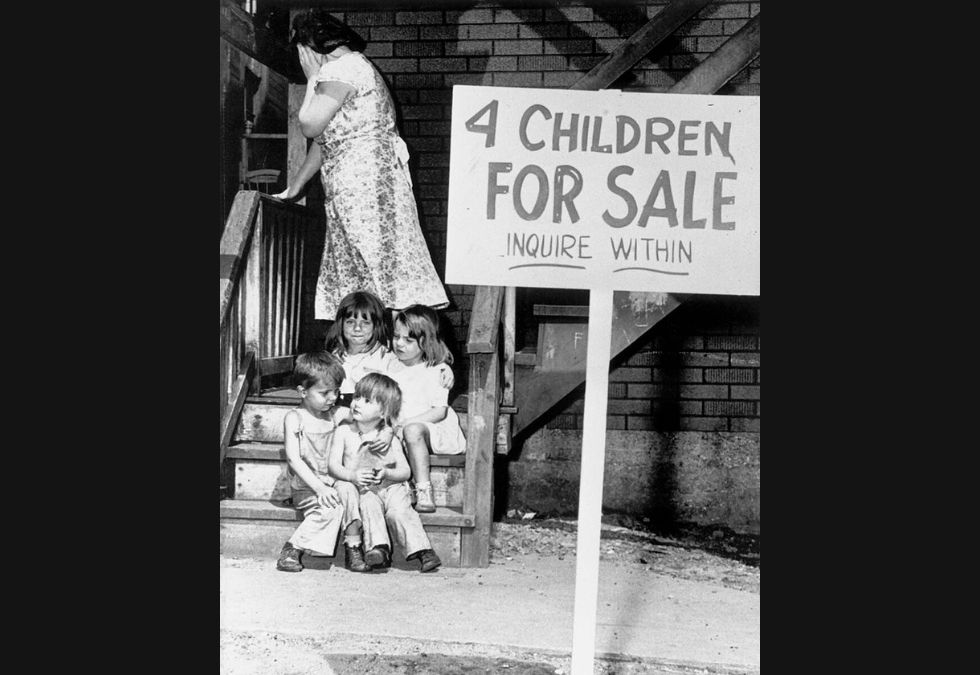
A mother turns her face away from the camera, unable to meet it — the photograph documenting one of the most desperate acts imaginable in post-war America. Rare and deeply unsettling, this image laid bare the failures of child welfare systems and the extremes poverty could drive people to.
12. Dust Bowl Migrants, 1936
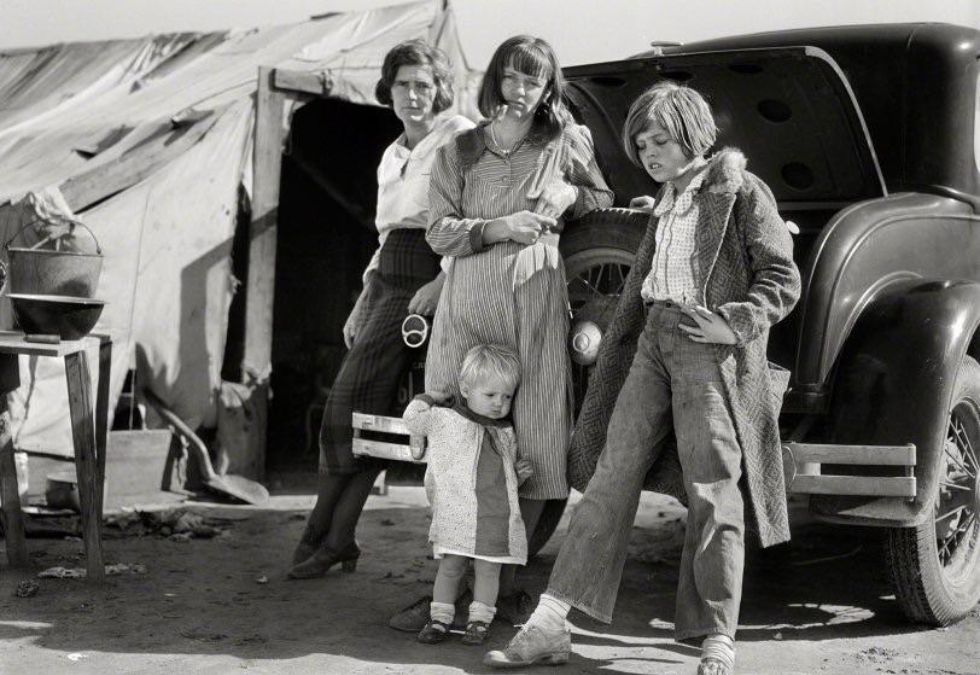
Dorothea Lange captured this family mid-journey on a California highway, their car loaded with everything they had left. The image became synonymous with the “Okie” migration story and remains one of the most powerful FSA photographs ever taken.
11. Glasgow Muddy Streets Children, 1960s
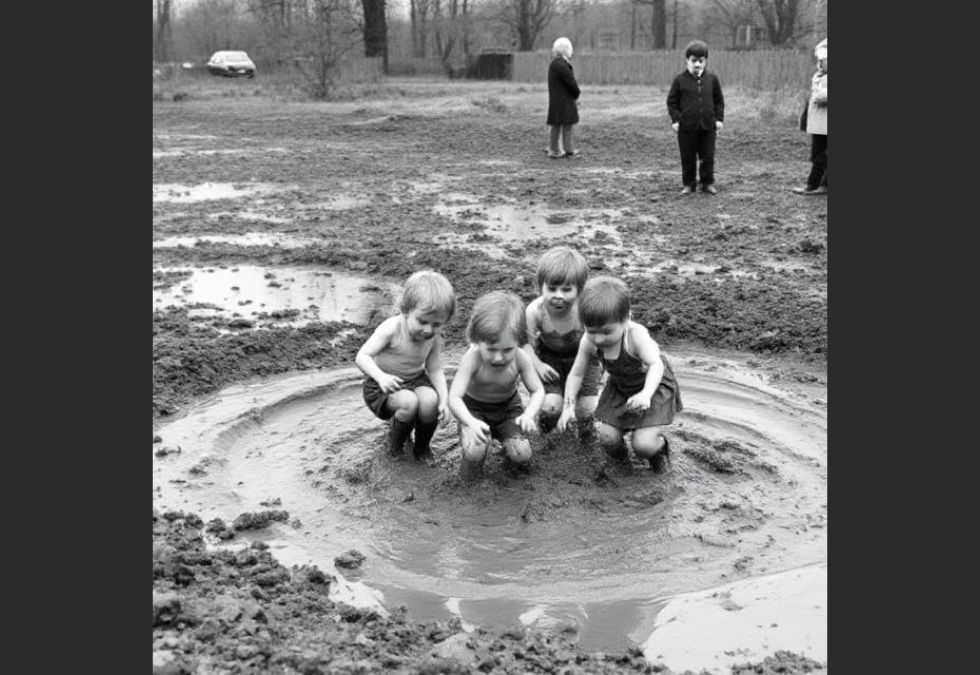
Children splash and play in filthy puddles in the Gorbals — one of Glasgow’s most notorious slum districts — their joy intact despite the grim surroundings. These images played a direct role in the city’s controversial decision to demolish the slums and replace them with high-rise housing estates in the 1960s.
10. Sydney Stables Children, 1900
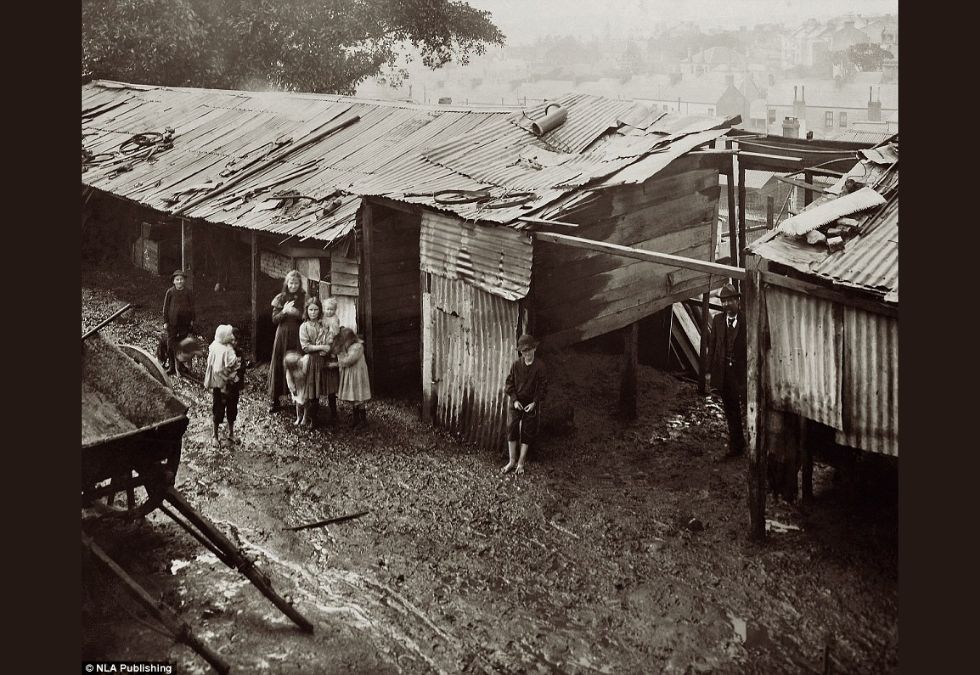
Barefoot children loiter outside crumbling stables on the fringe of Sydney, far removed from the city’s prosperous image. Early 20th-century Australia was no stranger to poverty, particularly among immigrant communities struggling to establish themselves in urban environments.
Think wealth guarantees security? Explore historical figures who had fortune but died broke, proving fame and riches don’t always last.
9. Barefoot Girls on Steps, Early 1900s

Two young girls sit on stairs without shoes, one of their expressions quietly serious for her age. A common sight in industrial-era American and European cities, this image reflects a childhood stripped of basics — one that child labor laws and compulsory education campaigns slowly worked to change.
8. Water Pump Boys, 1930s
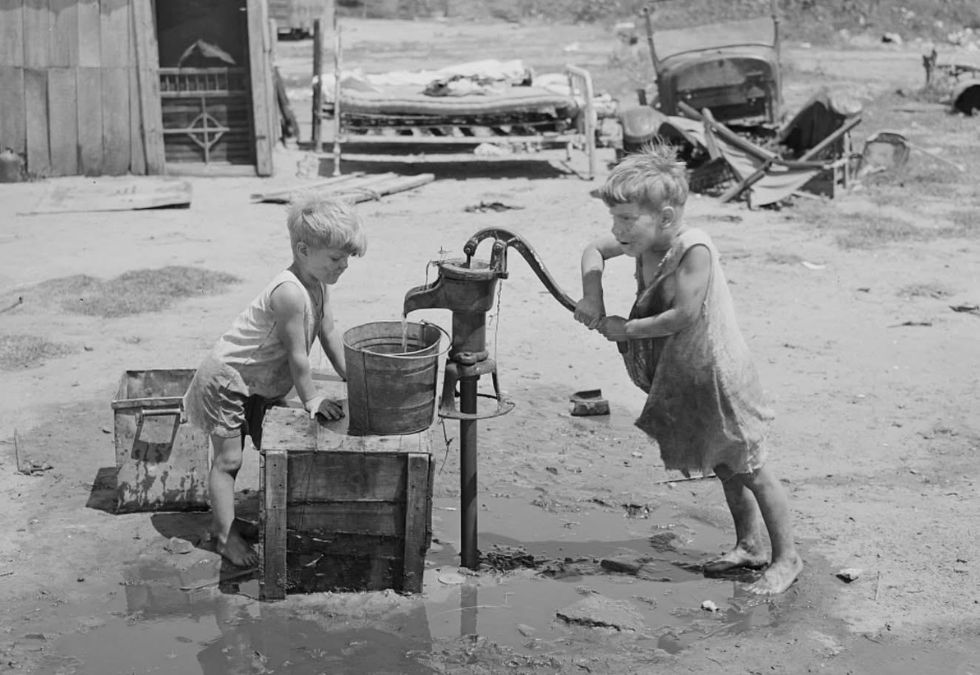
Two boys haul water from an outdoor pump near their shack, their daily chore a symbol of how far rural America lagged behind in basic infrastructure. The lack of running water in Depression-era farming communities was one of the key drivers behind federal rural electrification and development programs.
7. Dublin Cumberland Street Slums, 1940

Children play in the narrow alleyways of Dublin’s tenement district, surrounded by crumbling stone and wartime scarcity. Ireland’s housing crisis during this period became a flashpoint in post-independence political debate, as the new government grappled with the legacy of decades of neglect.
6. Virginia Barefoot Girl to School, 1921

A young girl walks a dirt path to school without shoes, her books tucked under her arm, her determination evident. This image became an emblem of the barriers children in poverty faced just to access a basic education.
5. Fly-Infested Oklahoma Home, 1939
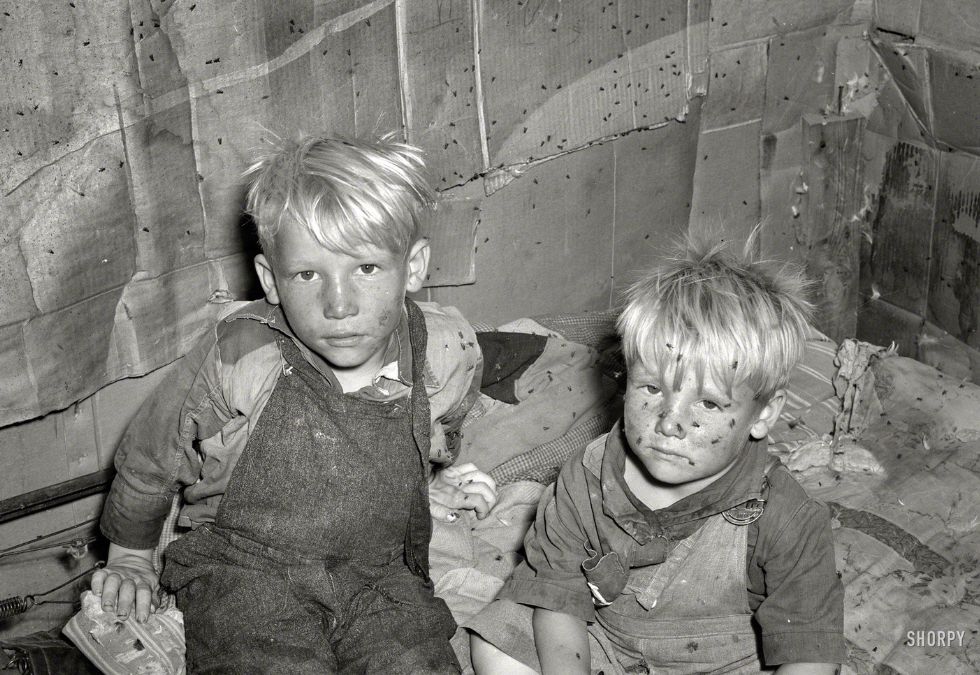
Boys sit inside a rundown home with flies visibly swarming around them, the scene a vivid portrait of the sanitation crisis in Depression-era migrant camps. FSA health surveys that followed documentation like this revealed dangerously inadequate living conditions that fueled disease outbreaks across rural Oklahoma.
4. Swedish Elderly Woman Home, 1904
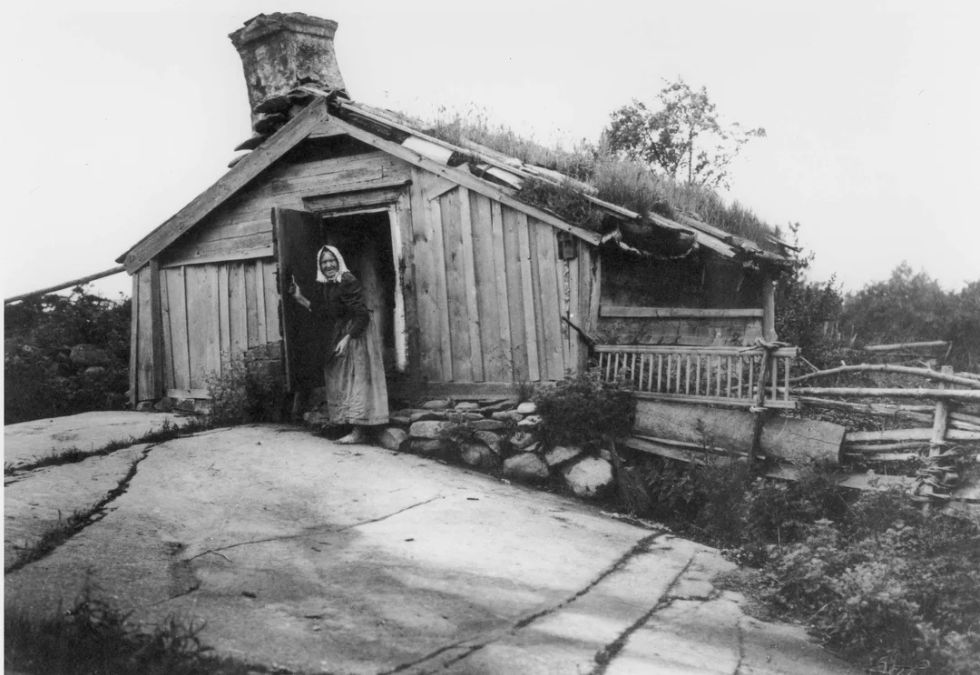
An elderly woman stands beside her weathered, leaning cottage, her posture reflecting a lifetime of labor with very little to show for it. Taken in the Swedish countryside before welfare states existed, the image captures the near-universal vulnerability of the rural elderly during that era.
3. Depression Soup Kitchen Men, Early 1930s

A line of men waits quietly for their turn at a soup kitchen, their expressions carrying a mix of humility and resignation. Photographed by Dorothea Lange and others as part of broader reform documentation, these breadline images helped shift public opinion and galvanize support for federal relief programs.
They once looked harmless and ordinary—discover innocent-looking children who became infamous adults in some of history’s most shocking turns.
2. Glasgow Abandoned Car Play, 1969
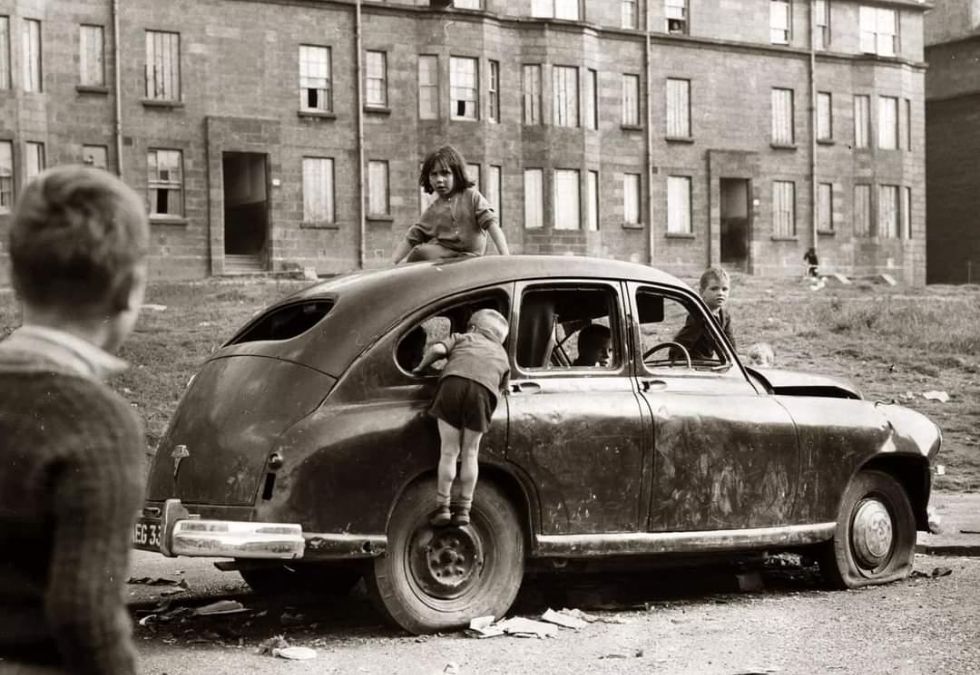
A group of children have claimed a junked car on a Gorbals street as their playground, making the best of an environment shaped entirely by neglect. Taken just before the neighborhood’s demolition, this photo captures the resilience of community even in the face of urban decay.
1. Kern County Broken Door Children, 1940s
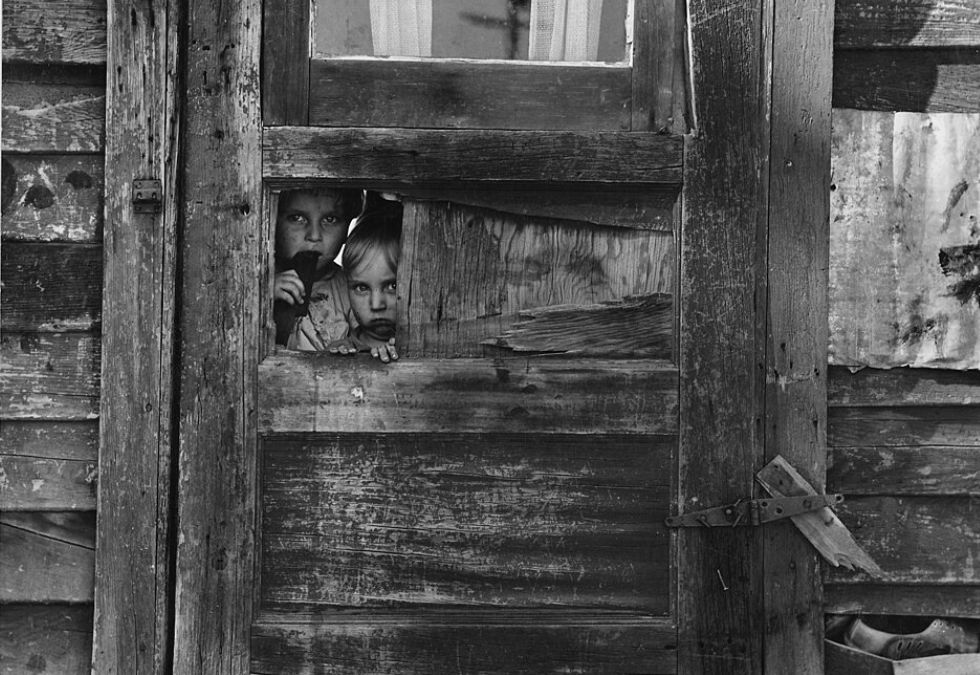
Two children peer through a broken door in a California migrant camp, their curious eyes framed by splintered wood and shadow. Taken well after the peak of the Dust Bowl, this image serves as a sobering reminder that the crisis didn’t end when the headlines did — for many families, the struggle quietly continued.
Conclusion
Taken together, these 26 photographs are far more than a history lesson. They are evidence