

America's Working Homeless CRISIS Is OUT OF CONTROL - You Won't Believe What's Happening (2026)

Inside LA's War Zone: Skid Row's 48 Violent Cries Per 1,000 - Worse Than Chicago

SKID ROW: America's DEADLIEST 50 Blocks Where Even POLICE Fear to Enter
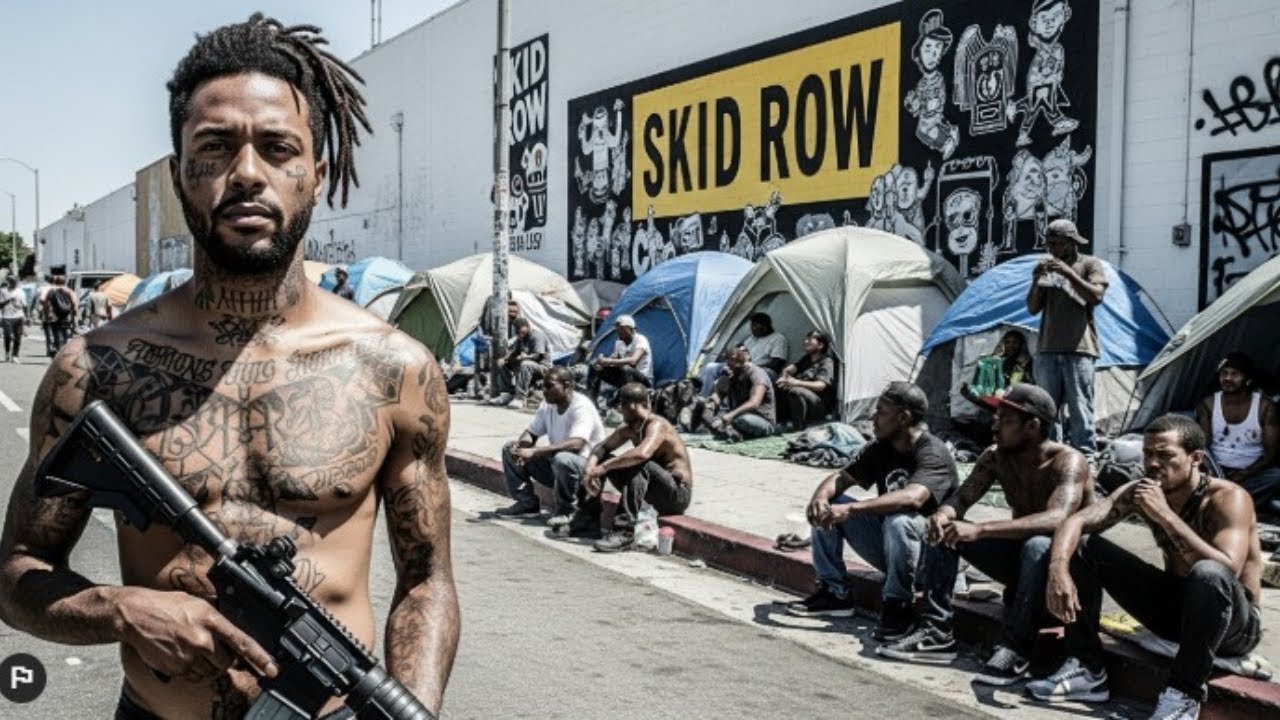
Skid Row Los Angeles: Inside Downtown LA Where Crime Is 9,000 Per 100k and 5 People Die DAILY

Images of extreme poverty

Syria: Kids in Idlib scavenge for food

Somalia on edge of famine as country suffers worst drought in 40 years

Inside Sudan’s civil war -- Watch the full documentary

Sudan’s Forgotten War: CBN’s Rare Access Inside the World’s Worst Humanitarian Crisis

Engineered Famine: Hunger as a Weapon of War in 2025 | Vantage with Palki Sharma | N18G

This Is The Most Overlooked War Crisis On Earth

It might just break you too...
They Rely on The Food Pantry But Have Nothing For Thanksgiving

330 hour road trip helping STRANGERS changed my life!

Living Off What America Throws Away Everyday

The Homeless Native American That Left a Mark on My Life

Struggling Father Gets Two Life-Changing Surprises
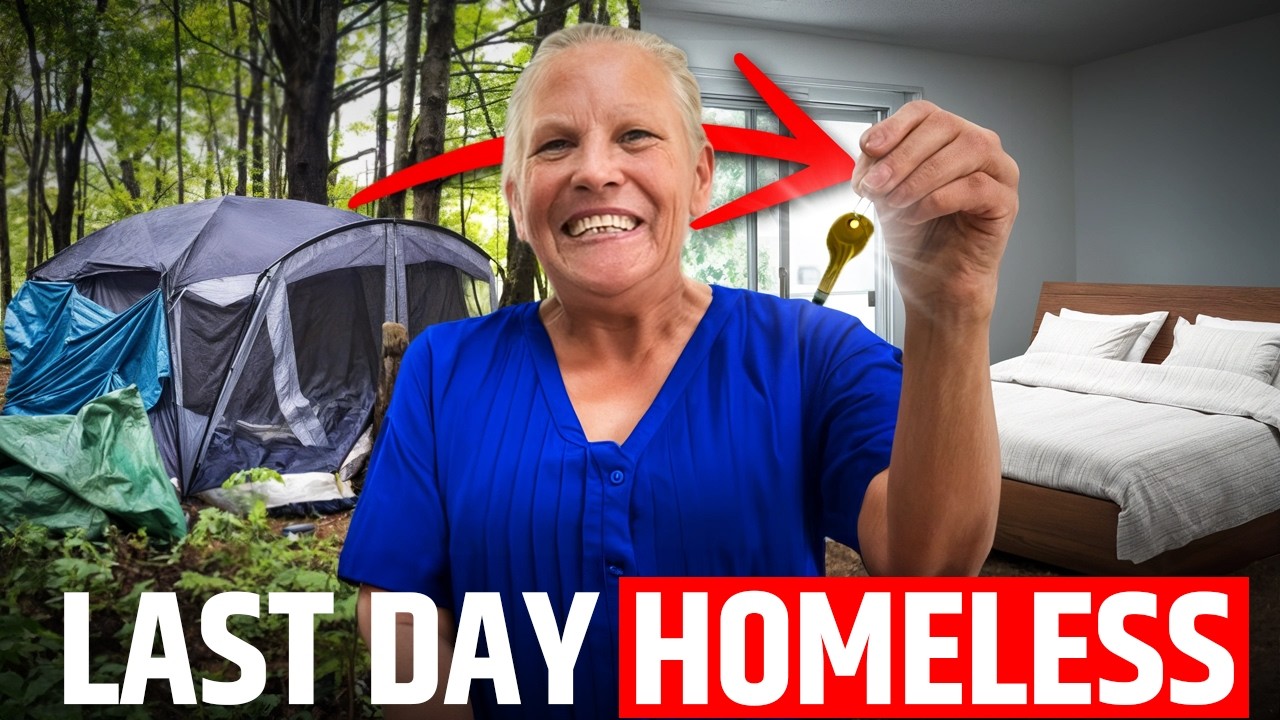
This Woman's Final Day of Homelessness Will Move You

This is The Most Valuable Item For a Homeless Person

Homeless Man Built a Secret Mountain Home After Losing Millions

The Secret Homeless Society You've Never Seen

Homeless Mayor Gives Me a Private Tour of His City

HOMELESS MAN LOOKS LIKE A DIFFERENT PERSON AFTER...

I found a homeless man in the park AND THEN...

BLEW MY MIND!!!
There are still people who care!

HOMELESS woman overlooked me UNTIL...

She’s HOMELESS, but THIS made her feel like she WON THE LOTTERY!!!

I offered to buy a homeless person anything AND THEN...

Helping the homeless LEVEL UP!

Strangers At The Food Bank Surprised With The Most Groceries I Have Ever Bought In My Life...

Homeless Family Sleeping in Their Car Gets a Surprise of a Lifetime

Born Poor (full documentary) | FRONTLINE
Just Human…

Inequality In Our Midst

You Are Not Forgotten

Introduction to Housing First, History, Myth Busting

I Was Human Trafficked. Ask Me Anything
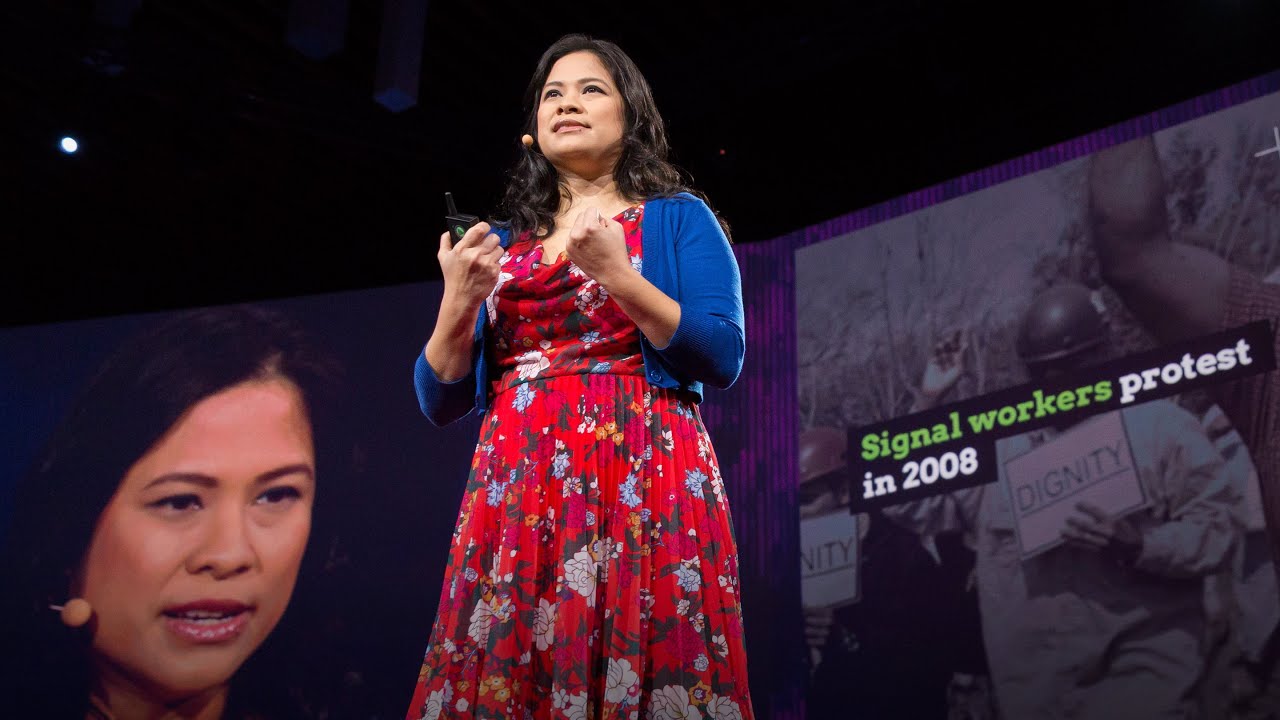
Noy Thrupkaew: Human trafficking is all around you. This is how it works

Why Hotels Like Marriott Have A Human Trafficking Problem

Homeless Mom Escapes Sex Trafficking And Works To Get Her Life Back

Changing the lives of the homeless, one haircut at a time

She Has Become Such That! (Homeless Awareness - Amazing Transformations)

Homeless Woman Walks Us Through a Day in the Life on the Streets of San Diego

Unhoused | Aging Matters

How Finland fixed homelessness while the US fails: home vs. shelter

The Dawn of the Great Depression I SLICE HISTORY | FULL DOCUMENTARY
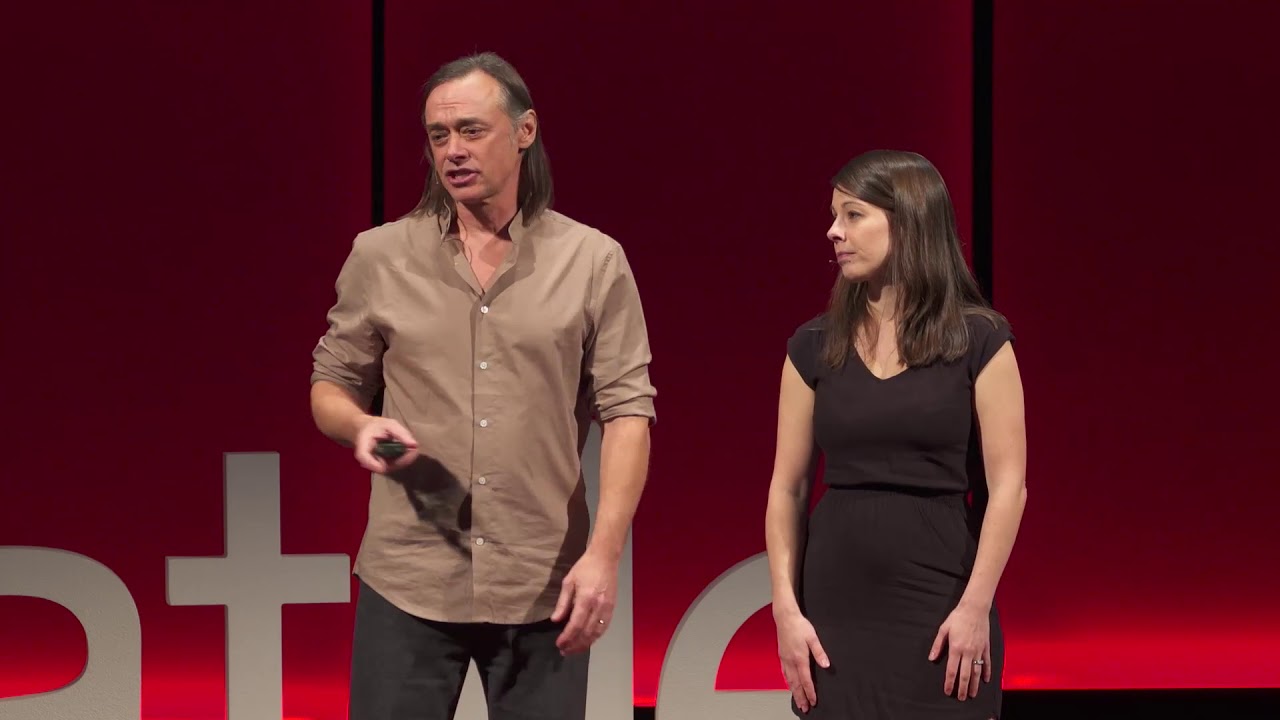
Ending Homelessness Block by Block
Through My Eyes

California Spends Billions On Homelessness Yet The Crisis Keeps Getting Worse
California lawmakers in a key committee in the Assembly on Monday made clear their patience is wearing thin with Gov. Gavin Newsom’s administration and its lack of data on homelessness and housing spending.

City of Spokane Can't Afford To Keep Homeless Shelters Open
This year, the city is facing a $4 million deficit for operational expenses at two city shelters. In 2024, that deficit jumps to $10 million.

Illegal to Sleep: Grants Pass’ Cruel War on Homelessness
In this compelling documentary, Invisible People traveled to Grants Pass, Oregon, a picturesque city of about 40,000 residents, which is now at the forefront of a significant legal battle with nationwide implications. The U.S. Supreme Court is set to deliberate on the pressing issue of homelessness and the criminalization of public camping. At stake is whether local governments like Grants Pass can enforce bans on sleeping in public spaces at all times. This decision could potentially affect the lives of approximately 600 homeless individuals living in Grants Pass alone, including 55-year-old Laura, who was forced into homelessness following the death of her husband, and Amber, who has received over 30 tickets for just existing.
Our investigation dives deep into the daily struggles of homeless people trying to survive in the rain and cold. The documentary covers the impending Supreme Court case, Grants Pass v. Johnson, which challenges the city’s public camping ban under the Eighth Amendment’s clause against “cruel and unusual punishments.” This historic case questions whether it’s constitutional to penalize the homeless for sleeping outdoors when they have no other shelter options.
Grants Pass officials argue for the need to reclaim public spaces, while advocates for the homeless warn of the dire consequences of criminalizing homelessness. This video highlights the personal stories of affected individuals and explores the broader societal and legal implications. Join us as we shed light on this critical issue, examining the intersection of law, policy, and human rights in a community divided on how to treat its most vulnerable residents. Watch as we unfold the layers of this complex issue, leading up to a landmark decision that could reshape the landscape of homelessness across America.
For more information and how you can get involved, visit https://johnsonvgrantspass.com
This video is a partnership between Invisible People and the National Homelessness Law Center https://housingnothandcuffs.org

The Homeless Industrial Complex

What is hidden behind statistics about homelessness? | Christiana Walker | TEDxYouth@EA
Christiana Walker believes showing compassion toward those around you is a crucial part of life and shares what she has done to incorporate service into her life.
Christiana Walker is a twelve-year-old student who loves helping others and enjoys making people smile. She enjoys going to museums and has especially like the Smithsonian Museum and the Lincoln Memorial. She is from Pittsburgh, Pennsylvania, a place she holds dearly and where she enjoys its different climates. She cherishes blossoms in the spring, the cool air during the fall and the different colored leaves, the cold weather and the snowflakes in winter, and the hot weather and the pure green grass and trees, playing with her friends in the sun all day. She wants to transmit her happy soul to those around her, which is why she spends time doing charity and believes it is an important activity to engage in. This talk was given at a TEDx event using the TED conference format but independently organized by a local community. Learn more at https://www.ted.com/tedx

Revealing the Root of Homelessness
Join us on a journey of empathy and knowledge as we shed light on the multifaceted factors that contribute to homelessness. Through powerful insights and expert perspectives, we aim to foster awareness and compassion, empowering us all to take meaningful action. Together, let’s uncover the truth and work towards creating a world where homelessness is addressed with empathy and support. Subscribe now to be a part of the solution and help reveal the path to change.
Ending Homelessness Block By Block
Architects Rex Hohlbein and Jenn LaFrenier ask us to consider “Yes in my backyard” as an answer to homelessness. This father-daughter duo has an idea: let’s reimagine our personal space by inviting homeless residents to move into beautifully designed, off-grid, homes built in residential backyards. Called “The Block Project” these tiny homes — built with neighborhood support and community volunteers— provides a path out of homelessness that encourages neighbors to come together as advocates, mentors and friends to those currently living on our streets.
A Seattle native, Rex ran a successful residential architectural firm for 30 years. Seven years ago, after befriending several men experiencing homelessness along the Fremont canal, Rex started a Facebook page to raise awareness for those living unsheltered through the sharing of photos and personal stories. Today, that Facebook page has over 46,000 followers, becoming a thriving and inspirational non-profit, Facing Homelessness. This year begins a new chapter, as Rex combines both architecture and community outreach in starting a social justice architecture firm, BLOCK Architects, with his daughter Jenn LaFreniere. Jenn spent a little over five years working at Graham Baba Architects on an array of projects from small remodels to large commercial buildings. Discussions about starting a firm with her father, BLOCK Architects, sparked conversations about the ties between architecture and social justice, ultimately leading to the formation of the BLOCK Project, the first endeavor for their architectural firm. This talk was given at a TEDx event using the TED conference format but independently organized by a local community. Learn more at https://www.ted.com/tedx
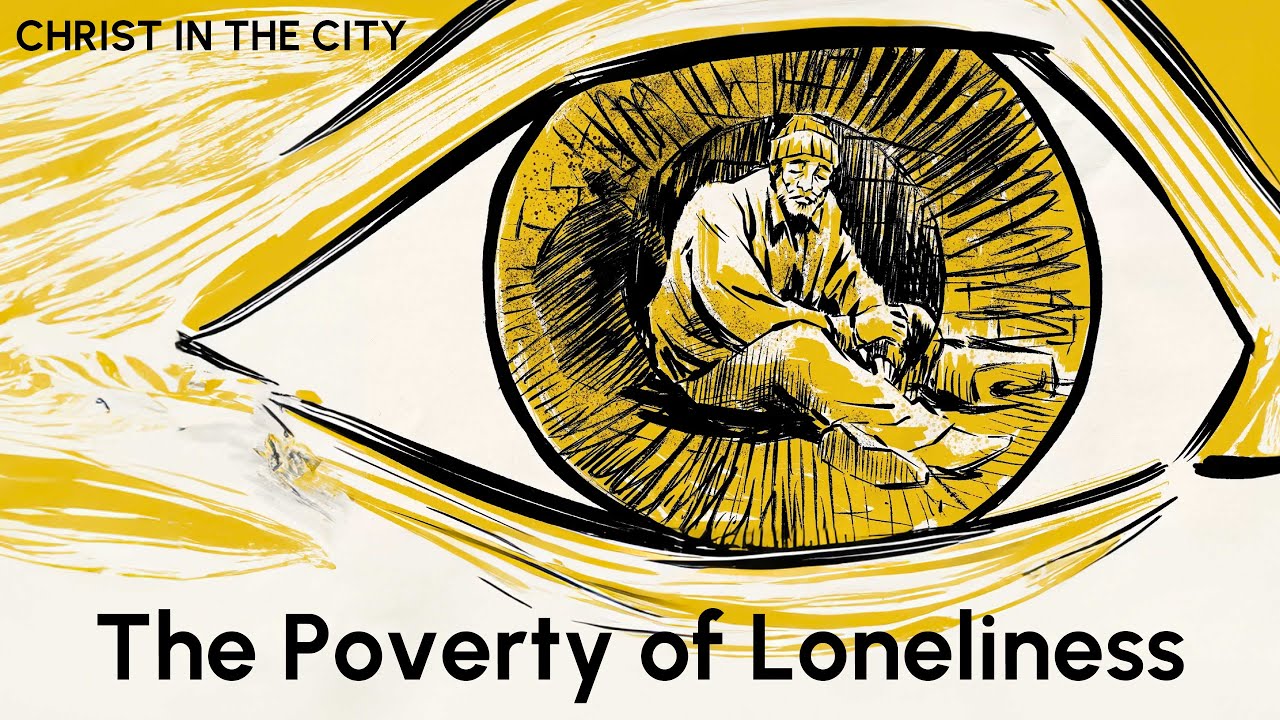
The Poverty of Loneliness: Meeting the Homeless with Friendship
We can easily see material poverty, the need for housing, food, and employment. But at the root of this problem runs a deep poverty of loneliness: the need for friendship, support, and human connection.
At Christ in the City, we seek out the homeless in order to break down that barrier of isolation, which is usually the biggest obstacle between a person
on the street and their desire to live a full and fruitful life.
Healing for our homeless friends–and our society at large–doesn’t happen without
relationship. Join us in meeting the homeless with friendship.

Rachel McDaniel - Must See Inspiring Speech!

Homeless Man Ronald Davis Emotional Story Called a Bum, Cries ...
Homeless Chicago Man Ronald Davis
Homeless Man Interview
Homeless Chicago Man Ronald Davis (Homeless Man Interview)Homeless Man Reportage
Homeless Man Ronald Davis Emotional Story Called a Bum, Cries …
No matter what people think about me, I know I’m a human first
God Spoke Through This Homeless Man
An alleged homeless man was filmed giving a powerful testimony that really had an impact on me in an unexpected way. Here’s why.
Special thanks to this creator for adding the captions:
• Motivating Wisdom “It’s The Journey, …
Source video:
• Powerful Message: It’s The Journey No…
Support our videos!
Patreon (thank you!):
/ whaddoyoumeme
One time donations on Paypal (thank you!): https://www.paypal.me/whaddoyoumeme
Subscribe Star: https://www.subscribestar.com/whaddoy…
YouTube Channel Membership:
/ @whaddoyoumeme
Be in Our Videos!
If you want to be in one of our videos, record a clip of you saying “Whaddo You Memeeeee?” and send it to contact@whaddoyoumeme.com. Try to get creative. If using a cellphone to record, hold it sideways to be sure it fits the screen dimensions. On the email, please list your name, your youtube handle name, and where are recording from if you want that information put on the video as well.
Subscribe by clicking here: https://bit.ly/2RLNVh9

Homelessness: The Reality and the Solution | Full Documentary | Short Documentaries
Why are so many Americans homeless and what can we do to help them?
America has a homelessness crisis—and it’s getting worse by the day. Politicians promise to stop it. Cities like San Francisco spend millions trying to end it. Nothing seems to help. PragerU’s new short documentary reveals the root causes of homelessness and offers compassionate, effective solutions that we can all get behind.
This short documentary was made in partnership with the Cicero Institute. Learn more: https://ciceroinstitute.org/issues/ho…
Take our survey: Do you think urban camping should be adopted across the United States as it is in San Francisco? https://l.prageru.com/3MUpThq

The homeless are not who you think they are | Kimberly Stratton | TEDxPSU
Kimberly Stratton discusses the new face of homelessness from her own experience. By redefining homelessness she helps to break down stereotypes and provide new ways to help the people we try to ignore.
Kimberly Stratton is the CEO and Founder of a publishing company called The Crown And Cross Consulting And Publishing Co LLC. The company offers a plethora of services ranging from assistance with resume writing, support/accountability with time management, creating and implementing vision boards, consulting, publishing services and everything in between. Her passion and drive in life is to help others and change the world in which we live because change always starts with ordinary people doing extraordinary things for the greater good. This talk was given at a TEDx event using the TED conference format but independently organized by a local community. Learn more at https://www.ted.com/tedx
Homeless Man Turns His Life Around And Impacts Millions Through Music
Joe Nester spent a decade homeless on the streets of Wilmington, Delaware addicted to heroin. Listen to his inspirational testimony and how he not only overcame his addiction, but now uses it to inspire millions of people through his heartfelt music.
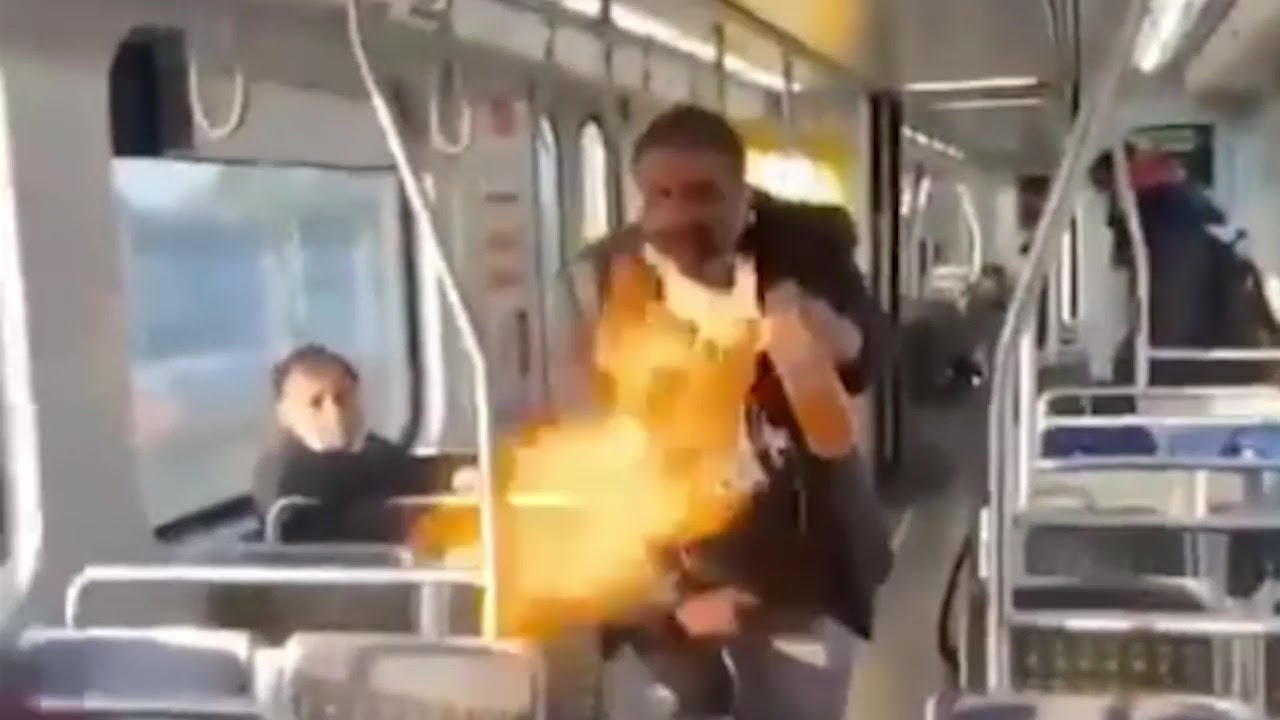
Lost Angeles: City of Homeless
OX 11’s new documentary, Lost Angeles: City of Homeless, takes a close look at the out-of-control homeless issue in Southern California. IN-DEPTH LOOK AT UNDERSTANDING LA’s HOMELESS CRISIS

Portraits of Homelessness in Black and White
At 17, Leah Denbok published her first book of photographs of homeless men and women. Her work has been praised by everyone from National Geographic photographer Joel Sartore to James Pasternak, a Toronto city councillor. Denbok talks with Nam Kiwanuka about her second volume, “Nowhere to Call Home: Photographs and Stories of People Experiencing Homelessness,” and what drives her to do this work.

Myths and Facts of Homelessness
In a film by LMU students, Skid Row Housing Trust residents dispel some of the myths about homelessness and homeless people.
www.skidrow.org

NYC is Building Anti-Homeless Streets…
“Hostile Architecture” has many purposes, but should it be used against NYC’s most vulnerable? There are examples of this type of design all over the city, some by private companies, and others by the city itself.

What Happens When Cities Make Homelessness a Crime: Hiding The Homeless
A growing number of American cities are ticketing or arresting homeless people for essentially being homeless. The new laws ban behavior commonly associated with homelessness like reclining in public, sharing food or sitting on a sidewalk.
Supporters argue these measures are necessary to push homeless people into the shelter system and maintain public safety. Critics say the laws violate the rights of homeless people and ignore the more complicated drivers of homelessness like mental illness.
We found homeless people camping in the woods to escape police harassment, a homelessness consultant opposed to feeding homeless people and a city that uses solitary confinement to force homeless people into shelters.
VICE News began its investigation in Boise, ID, where a group of homeless people have filed a federal lawsuit challenging the constitutionality of these laws. Their case could change the way homeless people are treated across the country.

Pastor Criminally Charged Amid Attempts to Help Homeless Refuses to Back Down
A Christian pastor is reportedly facing criminal charges for violating zoning laws. Pastor Chris Avell of Dad’s Place, a church in Bryan, Ohio, and First Liberty attorney Ryan Gardner join CBN Digital to discuss the shocking case.
“[Avell’s] facing 18 criminal charges for violating the city’s zoning laws,” a First Liberty news release reads. “The city is going after him because earlier this year Pastor Chris opened the church 24 hours a day, 7 days a week. He’s seeking to serve homeless people.”
The statement continued, “In November 2023, the city sent a letter ordering the church to stop allowing overnight guests or face criminal prosecution. This past Sunday—on New Year’s Eve—police showed up at the church. They handed the pastor a packet of multiple charges and violations.”
Listen to Avell and Gardner give the back story and explain why they believe the case is unfolding.
CBN News. Because Truth Matters™
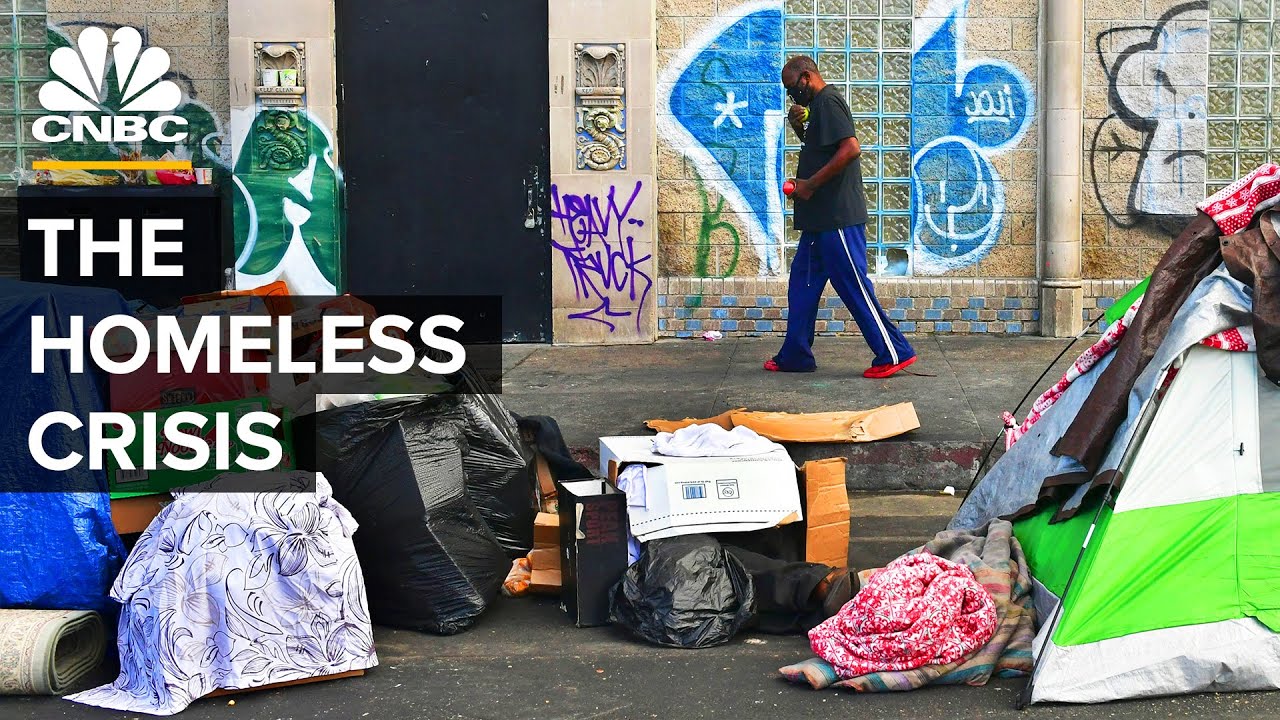
Why The U.S. Can’t Solve Homelessness
The Covid pandemic caused a surge in housing costs and a rise in unemployment, leaving nearly 600,000 Americans unhoused in 2020. So how is the U.S. addressing the homelessness crisis and can the current housing first policy approach solve it?
“What people don’t typically realize when they walk past a person who’s homeless is that this person is costing taxpayers a lot of money,” said Sam Tsemberis, chief executive officer at Pathways Housing First Institute.
In 2019, New York City spent a record-breaking $3 billion to support its homeless population. California is also expected to break its record, allocating $4.8 billion to the same issue over the next two years.
Despite the rising budget, overall homelessness in the U.S. has improved by only 10% compared with 2007. It’s even worse for certain subgroups, such as individual homelessness, which dropped by only 1% in the same period.
“Right now, we are trending in the wrong direction,” said Anthony Love, interim executive director at the United States Interagency Council on Homelessness. “The state of homelessness is pretty tenuous, and there are some small increases that are taking place across the board.”
For decades, the U.S. has relied on a “housing first” approach to homelessness, where permanent housing is provided for homeless people without preconditions such as sobriety or employment.
“Without the coach to guide me into housing, I wouldn’t be where I’m at now,” said Shannon McGhee, who moved into his supportive housing in 2020 after being unhoused for four years. “Being able to have my housing first, I know that I’m in control of my environment. Now, what happens here is all about what I create.”
However, some critics of the housing first approach say it hasn’t shown enough real results to deem it successful.
“When the public is told that this particular policy is going to end homelessness, what they’re expecting is that they’re going to see fewer homeless people around,” said Stephen Eide, a senior fellow at the Manhattan Institute. “I don’t think that we’ve seen that in the case of housing first.”

The Best Items To Give Homeless People (that They'll Actually Use)!
One of the questions I get the most is what are the best items to give to homeless people, so I asked a bunch of my homeless friends, and I share from my own experience of homelessness and traveling around the country, connecting with homeless people.
What homeless people need the most is housing and support services. We must advocate to fix the affroble housing crisis and get people off the streets and the help they need.
This video is just a basic guide suggesting items to give to homeless people. Because homelessness differs in different parts of the country, we recommend building relationships and asking homeless people what they need. We also suggest connecting to local mutual aid groups and nonprofits to support their work.

The Truth About Giving Money to Homeless People
If you feel the urge to give money to a homeless person and you feel safe, then it’s perfectly fine, and your act of kindness can provide basic life-saving needs that only cash can buy.
People experiencing homelessness are human beings. We should treat them with respect. But too often, we view the homeless person asking for money as a bum or con artist. We blame homelessness on the person when their situation could be caused by a variety of reasons: lack of affordable housing, lack of a living wage, or some kind of trauma.
“Panhandlers use money to purchase drugs or alcohol.” This is also a common belief stopping people from giving money to panhandlers. Let’s think about that: if you’re going to the bathroom behind a dumpster in a McDonald’s parking lot, life sucks. You might as well have a beer!
We are not advocating for alcohol abuse in any way. We are simply trying to provide a little perspective. It’s hard to be homeless. Alcohol and drugs offer an escape from the pain. We often look the other way when people we know abuse drugs: The soccer mom who hits the bottle to get through the day; your brother-in-law who drinks a case of beer on the weekend; the lawyer who smokes the pipe filled with crack; and the postal worker popping a few pills to help make their rounds. But when it’s a person experiencing homelessness, we look down upon them.
Homeless People Need Money for Basic Needs
There are things only money can buy. Most homeless people only receive food stamp benefits, which do not allow the purchase of tampons, medicine, toilet paper, vitamins, pet food, tents, tarps, hand warmers, socks, or hygiene items. Often your gift of a few dollars can mean the difference between life and death for an unhoused person trying to survive.
The real truth is in this great country of ours, no one should have to beg for money. We must make preventing and solving homelessness a priority. Your voice can help end homelessness. Click here https://invisiblepeople.tv/getinvolved to tweet, email, call, or Facebook your federal and state legislators to tell them ending homelessness and creating more affordable housing is a priority to you.
Mark Horvath: Executive Producer
Marijane Miller: Producer & Writer
Blap Studios: Animation Producer
Alex Gasaway: Sound Design
Unhoused | Aging Matters
Without access to affordable housing, low-income older adults are forced onto the streets. Homelessness is on the rise in Nashville, Tenn. Between 2022 and 2023, there’s been an 11% increase among those experiencing homelessness. Many of these individuals are over the age of 50, and they are experiencing health conditions decades earlier than their housed neighbors. At the heart of the problem is a lack of affordable housing, and low-income people are paying the price.

Ditsy is 19 years-old and homeless in Salt Lake City. All the kids in this video are homeless!
Ditsy is 19 years-old and homeless in Salt Lake City, Utah. As you’ll quickly see, Ditsy loves kids. He told me that helping and playing with the homeless kids in the park makes him feel better about his younger years. Although this was a fun interview, the fact that every kid in this video is homeless is a serious tragedy.
Ditsy says being a homeless youth is not the hardest thing he has done, but it’s also not the easiest. He says he struggles for food, and has to worry about police when sleeping. As hard as homelessness is, Ditsy says if you can stay optimistic, it becomes a little easier. Smart words for such a young man.
When I started to talk to Ditsy about sharing his story the kids were not really around. Before I knew it the kids became part of this story so I just ran with it. While recording, I kept thinking about the challenges of finding all the parents to get their permission. This was a public park at dusk, and who knows where everyone is.
Ditsy took me to the first mother and I handed her a business card. I give everyone a business card with my email and cell number. The mother didn’t really say much when another woman, surrounded by a group of people, started to yell at me to come to her. The first mother ran to this woman and handed her my business card. My first thoughts were that I was in trouble. My second thought was that no way was I going to get permission and this whole thing is about to go bad.
To my shock, the woman asked me to take photos of all their kids and family portraits of everyone. There were probably 3 or maybe 4 homeless families hanging out, and they all wanted portraits. I am not a still photographer and my gear is all setup for video. It was dark, I didn’t have lights, and I had the wrong lens. I only say that because I wish I could have done better for all of them. I told them I would let me friends at Help Portrait [http://help-portrait.com] know what shelter they are in so they can get photos done right.
For the next 45 minutes I had so much fun, and so did all of them posing for photos. It was as if the world was alright and none of them were experimenting homelessness. Here is a link to a few of the family portraits I took tonight http://hardlynormal.tumblr.com/post/5… So obviously, not only did I get every parents permission I made a bunch of new friends in the process. It’s a night I’ll never forget that’s for sure.

Homeless Man Shares the Harsh Reality of Skid Row
“Skid Row hurt me in ways I can’t ever explain. It made me do things and made see things I wish I would have never seen.” ~ Luke
Luke story of living homeless on Los Angeles’s Skid Row is powerful and heartbreaking. No one should have to live like this. No one should have to fight just to survive for food and shelter and live in constant in fear!
Luke came to LA with his wife. Her family invited them to come to live with them, so they jumped on a Greyhound bus. They started calling, and their family never answered. When they arrived in Los Angeles the couple was forced to go to Skid Row where they are now stuck!
Skid Row was created by intentional urban design. The decision was made to place most all of the city’s homeless services in that one area. The theory was that by having all of the resources in one location that it would contain Los Angeles’s homeless crisis.
“Skid Row is by the bus station. It’s where all the shelters are. It’s where all the food is. It’s where all the resources are located. But Skid Row is a very nasty place” Luke shares in this interview. He goes on to say “[Skid Row] will make it so you are just constantly worried about what you need to survive because everything is being taken from you.”
Luke talks about how gangs tax homeless people in Skid Row for living on the sidewalk or in a certain area. If you don’t pay, they beat you up or burn down your tent with all of your belongings in it.
For those of you that are going to judge Luke for being on drugs, you need to understand that people use drugs to escape pain. It’s nearly impossible to stay sober while homeless and if you’re stuck in a place like Skid Row, drugs become a way to cope with life. Luke’s wife had to resort to prostitution and ended up pregnant. Near the end of her pregnancy, she started having seizures and was diagnosed with brain cancer. Luke was beaten 13 times since living homeless on Skid Row.
I pray Luke’s story messes you up like it did me. We cannot continue to look the other way and ignore the growing homeless crisis in America. Please watch and share this video with everyone you know and then take real tangible action to fight homelessness in your community.

The Cold Reality Homelessness, Frostbite, and the Fight to Survive
Giancarlo’s got his makeshift bed rolled out on a Manchester, New Hampshire sidewalk, calling it a night. Four months without a roof over his head, and it’s just… rough. Seeing folks tucking into their sidewalk beds hits you hard. We’re in the richest country on Earth, yet here we are, millions without a proper place to sleep because housing’s just too out of reach.
So, Giancarlo’s looking for some white socks. Funny thing, I used to carry both black and white, but it turns out that white is in higher demand. He says black socks make your feet sweat more. And get this – sweating in the cold can be super dangerous. People might doze off, especially if they’ve had a bit to drink, and next thing you know, they’re losing toes or worse to frostbite because of the sweat.
Just three days back, Giancarlo told me about this guy, another soul without a home, who froze to death. It’s the same tragic news every winter – someone didn’t make it through the cold. And in the summer? It’s the heat claiming lives. And what changes? Seems like nothing much, except the numbers just keep getting worse.
Giancarlo’s also pointing out how insane rent’s gotten, even in smaller towns like Manchester. The squeeze is real everywhere; even rooming houses and single-room occupancies are raising their prices.
Here’s where we step in. It’s on us to get loud, reach out to our lawmakers, and demand some real action on affordable housing and homelessness. It’s a big ask, but hey, if not us, then who?
More stories:
A 65-Year-Old’s Story of Homelessness in Manchester, New Hampshire
• A 65-Year-Old’s Story of Homelessness…
Finland Solved Homelessness: Here’s How (Spoiler: It’s More Than Housing First)
• Finland Solved Homelessness: Here’s H…
==================================
Subscribe here: https://www.youtube.com/c/invisiblepe…
Invisible People’s website:
See. Learn. Take Action.Support Invisible People:
Your donations help solve homelessnessSign up for our newsletter: https://invisiblepeople.tv/email Invisible People’s Social Media: / invisiblepeople / invisiblepeople / invisiblepeople / invisiblepeopletv / invisiblepeopletv Mark Horvath’s Twitter: / hardlynormal

Why Lawmakers Get It Wrong When They Criminalize Homelessness
Frontline providers and people with lived experience of homelessness discuss the flaws and harm caused by out of touch lawmakers who rely on criminalization tactics.
=====
Take action and learn more:
endhomelessness.org/criminalization
housingnothandcuffs.org/endorsements
============
More videos on the criminalization of homelessness:
Hiding a Problem Never Works: Encampment Raids Don’t End Homelessness:
• Hiding a Problem Never Works: Encampm…
Encampment Raids Are Traumatizing:
• Encampment Raids Are Traumatizing
Don’t Want Homeless Encampments? Support Housing.
• Don’t Want Homeless Encampments? Supp…

Inside His Amazing Home in the Tunnels Beneath New York - Mole People
Carlos lived in a sewer in the Freedom Tunnel in New York City. He is what many consider one of the mole people – a name given to the homeless who live in the tunnels beneath New York.
SUBSCRIBE for more videos!
#molepeople #homeless #underground #documentary
I first met Carlos in 2007, and visited him a number of times over a period of several months. He was part of a small group of people who had made homes for themselves in abandoned parts of an Amtrak train tunnel that runs under the West Side highway in New York City.
Carlos was very friendly. He showed me his home on several occasions, and invited me in at one point to help him fix his computer. He had an interesting life, and I am grateful he was willing to be on camera.
Carlos no longer lives in the Freedom Tunnel. A number of years ago the authorities removed all the people living in the tunnel, and cleaned up the area. The section of tunnel that Carlos and several other homeless people had chosen to live in is very different now.
One of Carlos’ friends has set up a Gofundme for him. Thank you to everyone who wishes to help him.
https://www.gofundme.com/f/help-carlo…
Visit my website to keep up with my other projects.
Home

He Lived 25 Years in a Train Tunnel!
Walter was the last of the Mole People from the 1990s – a time when dozens of people lived in a tunnel beneath New York City.
#molepeople #homeless #underground #documentary
SUBSCRIBE for more videos!
On the west side of Manhattan, under the Westside Highway is an Amtrak train tunnel, known as the Freedom Tunnel. For decades homeless people lived in this tunnel. Over the years, these people became commonly known as “mole people.”
In the early 1990s the tunnel became active again, and the authorities threw everyone out. A few people remained hidden in the tunnel, and continued to live there, but most did not return. Walter was one of the people who remained, and was one of the last of the original mole people.
Additional people moved into the tunnel in the early 2000s, but they were much fewer in number than in the 1980s and 90s.
I met Walter and filmed this interview in 2008. I posted a short video from this footage one year ago, and decided to share more of the footage now.
In this interview Walter talks about his time living in the tunnel beneath New York. He lived there for 25 years, and saw the tunnel at it’s peak. Sadly Walter passed away in 2012.
Around that same time Amtrak began cleaning up the tunnel. They painted over the old graffiti, and threw out the few remaining residents.
Visit my website for more info, and to subscribe to my newsletter
Home
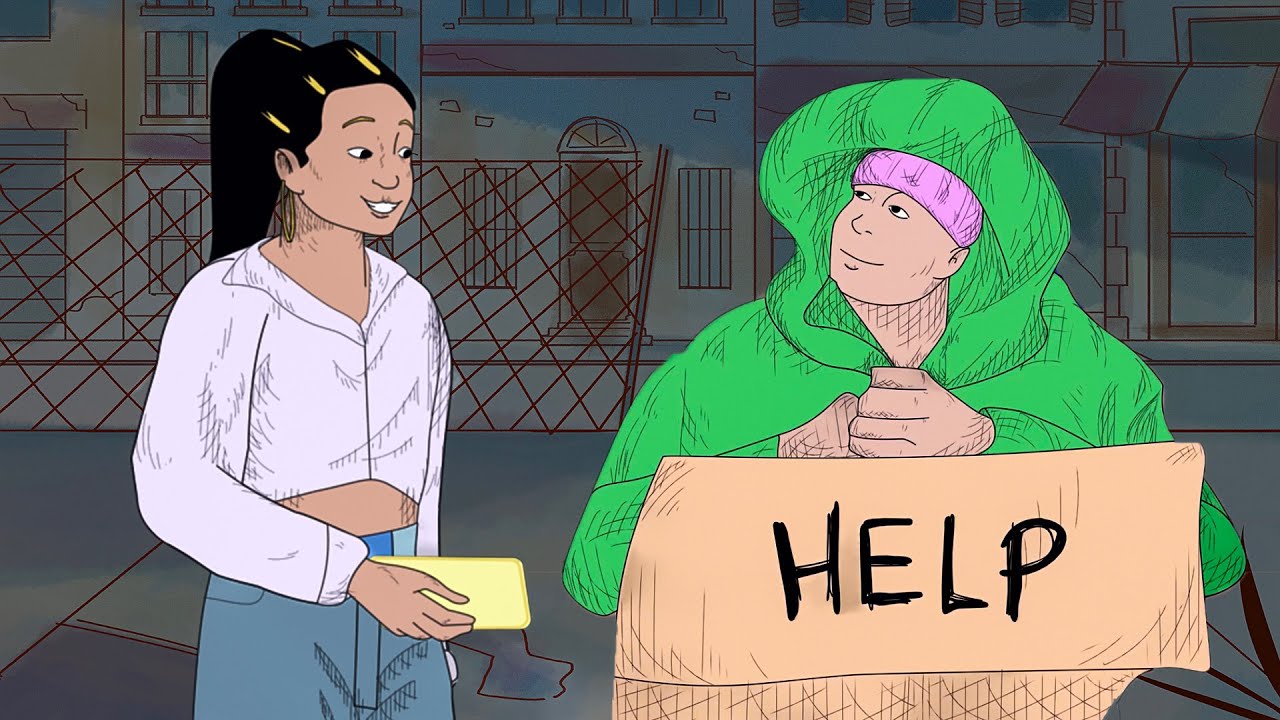
Think they don’t notice? Why Eye Contact with Homeless People Matters
Eye contact is something most people take for granted, but for homeless individuals, it’s a rare occurrence. Often, passersby choose to ignore them, looking anywhere but at the person they’ve deemed invisible. Instead, people will look at their phones, billboards, or anywhere else to avoid making eye contact with a homeless person. The thing is, homeless people are normal people just like you and me. They are living without a home and trying to survive in difficult circumstances. Making eye contact with them is a safe, easy, and free way to acknowledge their presence and it can go a long way in making them feel like human beings.
Withholding eye contact might not seem like a big deal, but the cumulative effect of multiple people ignoring homeless individuals can be damaging. It results in dehumanization and can lead to homeless people feeling like ghosts, unable to fully participate in the world around them. By making eye contact, we acknowledge our shared humanity. While making eye contact may make you uncomfortable at first, it’s an important step in recognizing the broader societal issues that contribute to homelessness.
If making eye contact seems challenging, you can start by learning about the lives and experiences of homeless people through stories or videos. This can help break down stereotypes and build understanding. Seeing a homeless person as fully human and deserving of the same safety and security as anyone else is crucial for promoting change in the way society views and addresses homelessness. So, next time you encounter a homeless person, resist the urge to look away or check your phone. Make eye contact, acknowledge their humanity, and remember that they are ordinary people facing extraordinary challenges in their quest for survival.
Mark Horvath: Executive Producer
Marijane Miller: Producer & Writer
Blap Studios: Animation Producer
Dani States: Voice Actor
Alex Gasaway: Sound Design

Children for Sale: Texas' Trafficked Kids | Unreported World

Americans With No Address | OFFICIAL TRAILER

Disclaimer

American Street Kid | Feature Documentary

Homeless in California : Why Homeless People Avoid Shelters | Documentary

3AM Girls - Human Sex Trafficking in America

Inside Skid Row - With Soft White Underbelly’s Mark Laita

Skid Row Stories (Part 2)-Cigarette Man

Skid Row Stories (Part 1)-Cigarette Man
Viewer Discretion Is Advised
Bryson Documentary
Viewer Discretion Is Advised

One Rough Childhood-Bryson
Viewer Discretion Is Advised

Homeless In America After Serving 43 Years In Prison
Viewer Discretion Is Advised

Skid Row Stories (Part 2)-Latonya
Viewer Discretion Is Advised

The Underworld of Child Sex Trafficking-Paul Hutchinson
Viewer Discretion Is Advised

The Road Back-Brandon AKA "Smoke"

The Adult Story of a Teen Runaway-Diane
Viewer Discretion Is Advised

How Human Trafficking Happens-Karla
Viewer Discretion Is Advised

14 Year Old Runaway-Billy
Viewer Discretion Is Advised

People Are Going Missing Living Homeless In America

They are Killing Homeless People

The Boogeyman is Real-Tyrone

A Sucker For Pain-Tyrone

Depression-Tyrone

Are You Ready To Die?-Tyrone

Enjoying the Pain-Tyrone

Homeless Man interview-Tyrone (follow up)
